
NEWS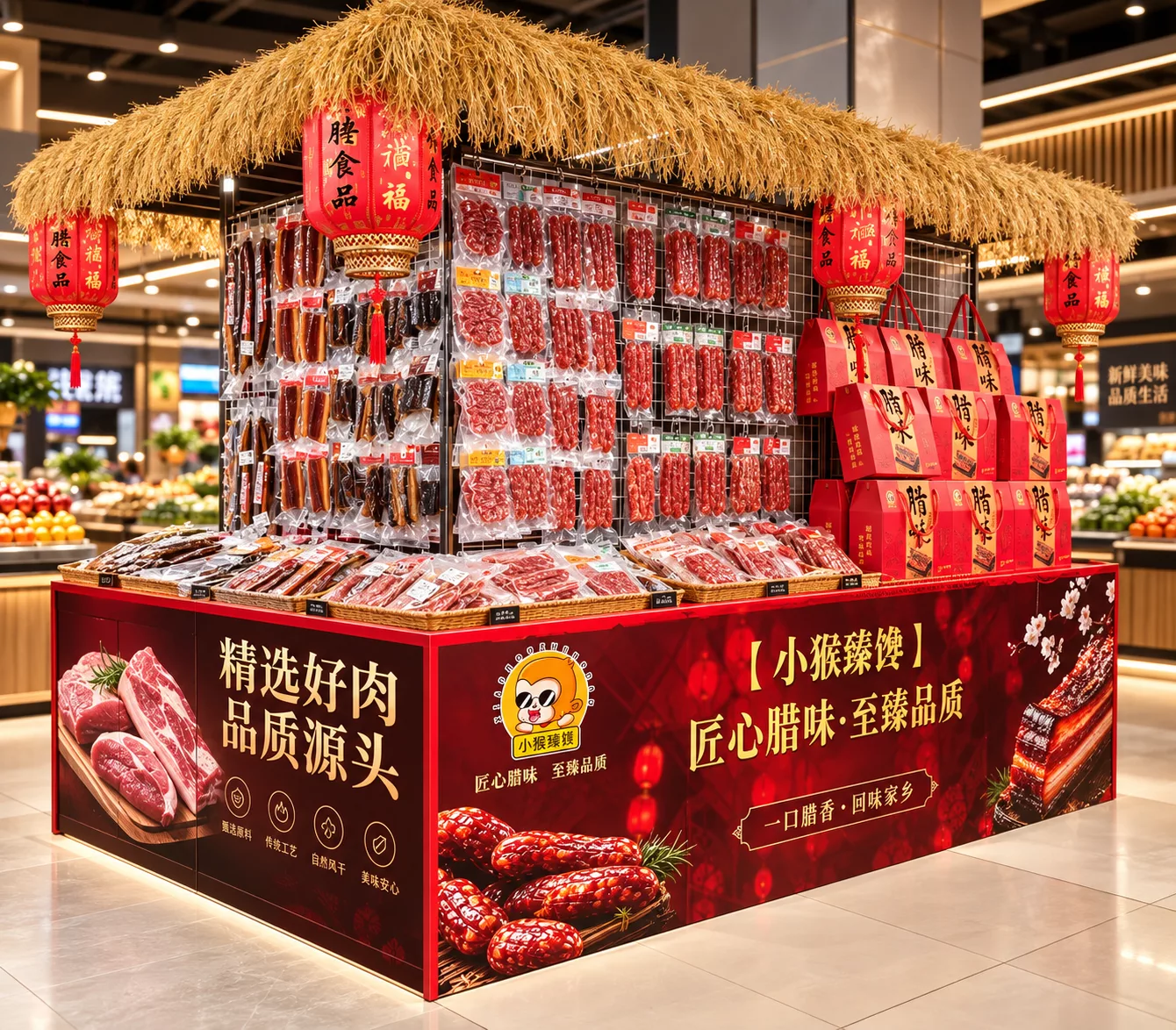
How Retailers Can Choose the Right Cured Meat Products
2026-09-01When selecting cured meat products such as cured pork and Chinese-style sausage, retailers should consider more than purchase price. Consumer taste preferences, pack sizes, packaging, shelf presentation, supply stability and selling scenarios all play an important role in building an effective product assortment.
Flavor is one of the first factors to consider. Consumer preferences vary by region, and smoked products, Cantonese-style savory-sweet sausages, leaner cuts and products with visible layers of lean meat and fat may appeal to different customer groups. Retailers should choose products according to local tastes and store demographics.
Pack size is also important. Smaller packs are suitable for trial purchases, everyday household use and price-sensitive consumers, while medium and larger packs may better serve family sharing, seasonal stocking and frequent users. A balanced range of pack sizes can help cover more consumption occasions.
Packaging and visual presentation also influence purchasing decisions. Cured meat products are highly visual, and consumers often look directly at meat texture, fat-to-lean ratio, color and dryness. Packaging that clearly shows the product can help customers evaluate quality and improve shelf appeal.
Supply stability is another key consideration. For retail channels, a low purchase price alone does not guarantee strong performance. Consistent quality, standardized specifications, timely delivery and reliable supply during peak seasons are often equally important. This becomes especially critical during the autumn, winter and Chinese New Year sales periods.
A practical assortment can combine core products, differentiated products and gift sets. Core products support everyday sales, differentiated products highlight unique flavors or processing features, while gift sets serve seasonal, group-purchase and gifting needs.
For retailers and distributors, the right product mix is often more valuable than simply choosing the lowest-priced option. Products that match consumer demand, store positioning and display conditions are more likely to improve turnover and repeat purchases.